
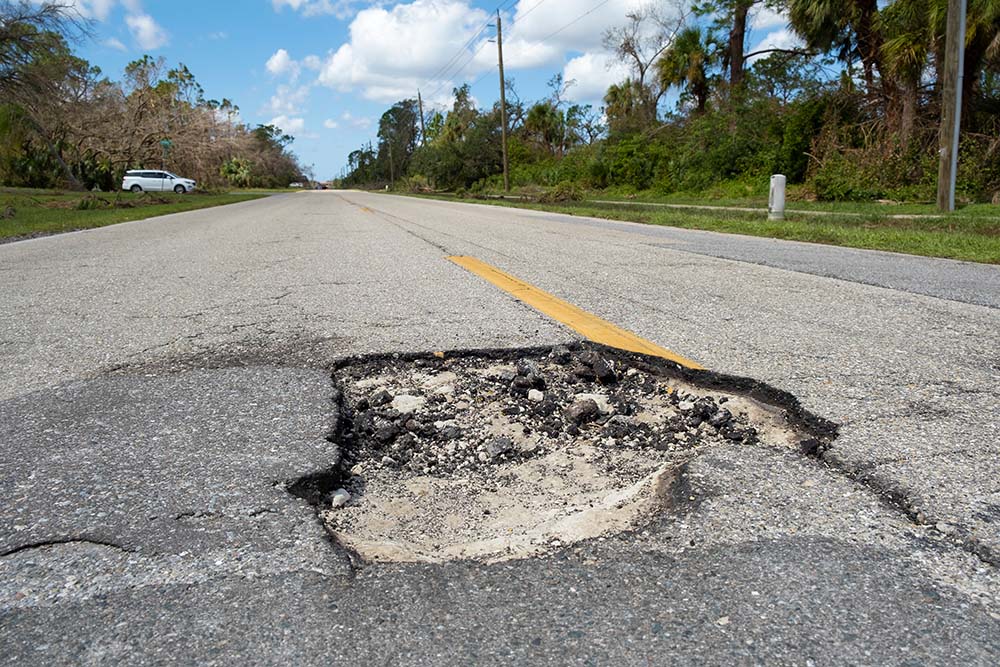
Driving around Lethbridge often means dealing with more than changing weather conditions. Many local drivers are familiar with rough pavement, uneven surfaces, potholes, and constant road repairs throughout the year. While these issues can make daily driving frustrating, they also have a major impact on the condition of your vehicle’s tires and suspension system over time.
For many people, tire damage seems like something that happens suddenly. In reality, most wear develops gradually through everyday driving conditions. The roads in and around Lethbridge create a combination of stress factors that can shorten tire life faster than many drivers realize.
Why Road Conditions Matter
Tires are designed to absorb impact, maintain traction, and support the weight of your vehicle. Every bump, crack, pothole, and rough patch forces your tires to work harder. Over time, this repeated stress affects tread wear, tire pressure, wheel alignment, and overall ride quality.
In areas with smoother roads, tires may wear more evenly and last longer. However, drivers dealing with rough roads on a daily basis often experience faster wear patterns and more frequent maintenance needs.
Road conditions around Lethbridge can be especially hard on vehicles during seasonal transitions. Freeze-thaw cycles during late winter and early spring contribute to cracking pavement and pothole formation. As temperatures shift, roads expand and contract, creating uneven surfaces that place additional strain on tires.
Potholes Are More Than Just an Annoyance
One of the biggest concerns for drivers is pothole damage. Hitting a pothole at higher speeds can create immediate problems, but even smaller impacts add up over time.
Common issues caused by potholes include:
- Sidewall damage
- Bent wheels or rims
- Uneven tread wear
- Tire pressure loss
- Wheel alignment problems
In severe cases, a pothole impact can damage suspension components or cause a tire to fail entirely. Even if no visible damage appears right away, vibrations or steering changes afterward may indicate an underlying issue.
This is one reason many drivers eventually visit a tire shop in Lethbridge for inspections after a rough winter season.
Uneven Roads and Tire Wear
Not all tire damage comes from major impacts. Uneven pavement and rough road surfaces slowly wear tires down over time, especially when combined with daily commuting.
When roads are rough, tires experience constant small adjustments as they maintain contact with the pavement. This repeated movement can create uneven wear patterns that reduce tire lifespan and affect handling.
Drivers may notice:
- Increased road noise
- Vibrations at highway speeds
- Reduced traction in wet conditions
- Steering that feels less responsive
These symptoms often develop gradually, making them easy to ignore until the problem becomes more serious.
For people driving long distances or commuting regularly on rough roads, routine inspections become even more important.
Lethbridge Weather Adds Another Layer
Road quality is only part of the equation. Weather conditions in southern Alberta also play a major role in tire wear.
Lethbridge experiences:
- Large temperature swings
- Strong winds
- Snow and ice during winter
- Rapid spring thaw cycles
Temperature changes can affect tire pressure surprisingly quickly. Cold weather causes air inside tires to contract, while warmer temperatures increase pressure. Fluctuating pressure levels can lead to uneven wear if not corrected regularly.
Combined with rough pavement and potholes, these changing conditions can accelerate wear on tires in Lethbridge compared to areas with more stable climates and smoother roads.
Why Alignment Issues Are Common
Wheel alignment problems are extremely common after winter and early spring driving. Potholes, curbs, and rough roads can gradually shift alignment angles without drivers noticing immediately.
A vehicle with poor alignment may:
- Pull to one side
- Wear tires unevenly
- Feel unstable at higher speeds
- Reduce fuel efficiency
Many people assume tire problems are caused by the tires themselves when the real issue is alignment.
Since rough roads are difficult to avoid entirely, periodic alignment checks can help prevent premature wear and improve overall handling.
Highway and Rural Driving Conditions
Drivers outside the city often face additional challenges. Rural roads, gravel surfaces, and highway driving can create different types of tire stress.
Highway travel increases heat buildup inside tires, while gravel roads can contribute to cuts, chips, and faster tread wear. Construction zones throughout southern Alberta also expose vehicles to loose debris and uneven pavement.
For drivers who regularly travel between communities or spend time on rural roads, tire maintenance becomes even more important throughout the year.
Small Problems Become Bigger Over Time
One of the biggest mistakes drivers make is ignoring small tire issues until they become major problems. Minor vibrations, slight pulling, or uneven wear may not seem urgent initially, but these symptoms often worsen gradually.
Catching issues early can help prevent:
- Premature tire replacement
- Suspension damage
- Poor fuel economy
- Reduced braking performance
Regular inspections help identify problems before they lead to more expensive repairs.
How Drivers Can Reduce Tire Wear
While road conditions aren’t always avoidable, there are a few ways to help reduce unnecessary wear.
Practical ways to protect your tires:
- Maintain proper tire pressure
- Rotate tires regularly
- Avoid potholes when possible
- Reduce speed on rough roads
- Check alignment periodically
- Inspect tread wear throughout the year
These simple habits can help extend tire life and improve overall driving safety.
Final Thoughts
Road conditions in Lethbridge can take a bigger toll on your vehicle than many drivers realize. Between potholes, uneven pavement, seasonal weather changes, and highway wear, tires are constantly exposed to conditions that speed up wear and increase maintenance needs.
Paying attention to how your vehicle feels on the road and addressing small issues early can make a significant difference over time. Whether it’s uneven tread wear, vibrations, or alignment problems, understanding how local driving conditions affect your tires can help you stay safer and avoid unnecessary repairs in the future.